


Description
Pressure Plate is one of the key components of a manual clutch system in vehicles such as cars, trucks, and buses. It works together with the clutch disc (plate) and flywheel to engage and disengage power from the engine to the transmission.
Main Function
The pressure plate applies and releases pressure on the clutch disc to:
- Engage the clutch: Transfer power from the engine to the gearbox.
- Disengage the clutch: Interrupt power flow so gears can be shifted smoothly.
How It Works
-
When the clutch pedal is released →
The pressure plate’s spring mechanism pushes the friction disc firmly against the flywheel, allowing torque transfer. -
When the clutch pedal is pressed →
The release bearing pushes against the diaphragm spring (or levers), causing the pressure plate to move away from the clutch disc—interrupting the power flow
Symptoms
- Slipping clutch (engine revs rise without acceleration)
- Hard or heavy clutch pedal
- Difficulty shifting gears
- Burning smell or chattering noise during engagement
- Clutch not releasing fully
Maintenance Tips
- Always replace the clutch pressure plate together with the clutch disc and release bearing for proper balance.
- Avoid riding the clutch or holding the vehicle on an incline using the clutch pedal.
- Regularly inspect for oil leaks—oil contamination causes slippage and damage.
In Summary:
The pressure plate is the heart of the clutch system — it controls the connection between engine and transmission, ensuring smooth gear shifting and efficient power transfer.
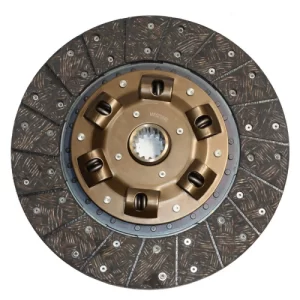


![Isuzu Clutch disc OEM 1-31240-739-0.OE number by ISUZU Number of Teeth:10 Inner Diameter [mm]:240 Diameter:380 Item number:ISD058U.](https://sumku.co.ke/wp-content/uploads/2023/03/IMG_20230211_154655-300x300.jpg)




Reviews
There are no reviews yet.