


Description
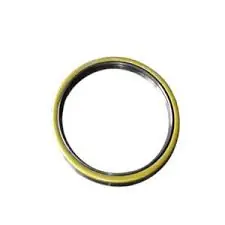
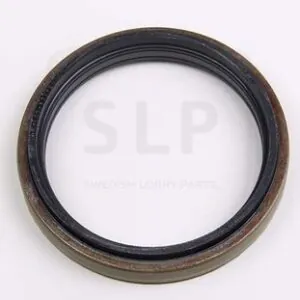
Oil seals, also known as shaft seals or rotary seals, are mechanical components used to prevent the leakage of lubricants, oils, and fluids while keeping contaminants like dust, dirt, and water out. They are commonly found in rotating and reciprocating shafts in various machinery and automotive applications.
Key Components of an Oil Seal
- Outer Casing – Usually made of metal or rubber, providing structural support and stability.
- Sealing Lip – Made of elastomeric material (such as nitrile rubber or silicone) that contacts the shaft to prevent leakage.
- Spring (Garter Spring) – A circular spring that helps maintain the sealing force by keeping the lip in contact with the shaft.
Functions of Oil Seals
- Prevent leakage of lubricants (oil, grease, etc.).
- Protect against contamination (dust, dirt, moisture).
- Reduce friction and wear on rotating shafts.
- Improve the efficiency and longevity of mechanical systems.
Types of Oil Seals
- Single Lip Oil Seal – Used for sealing lubricants on one side.
- Double Lip Oil Seal – Provides extra protection by sealing both lubricants and contaminants.
- High-Pressure Oil Seals – Designed to withstand high-pressure applications.
- End Caps – Used to close off openings where shafts do not extend through.
Common Materials Used
- Nitrile Rubber (NBR) – Good resistance to oil and fuel, commonly used in general applications.
- Silicone Rubber (VMQ) – Excellent temperature resistance.
- Fluorocarbon Rubber (FKM/Viton) – High chemical and heat resistance, used in harsh environments.
- Polyurethane (PU) – High wear resistance, suitable for heavy-duty applications.

![Isuzu CXZ Clutch Disc 1-31240897-0 OE number by ISUZU Number of Teeth:10 Inner Diameter [mm]:250 Diameter:430. Engine Type: Isuzu 6WF1 / 10PE1](https://sumku.co.ke/wp-content/webp-express/webp-images/uploads/2023/03/IMG_20230211_154655-300x300.jpg.webp)



Reviews
There are no reviews yet.